


Lot 10299 – SEALING AND SECURING THE LETTERThe Large Gold Medal



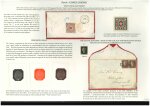
Lot 10299 – SEALING AND SECURING THE LETTERThe Large Gold Medal
SEALING AND SECURING THE LETTER
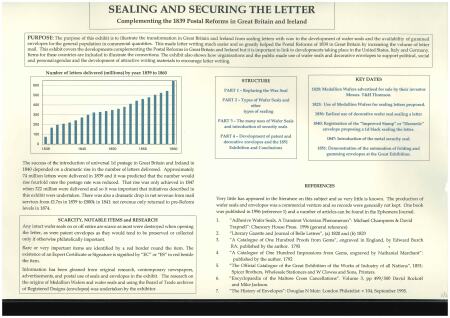
The Large Gold Medal-Winning Collection Formed by Stewart Gardiner
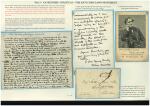
An exceptional and beautifully presented eight-frame collection, meticulously written up and displayed across 64 double pages. This remarkable exhibit explores one of the most unusual and fascinating areas of postal history, combining rarity, historical context, and visual appeal.
The collection is thoughtfully structured as follows:
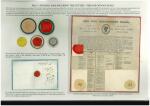
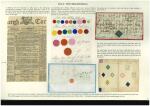
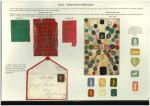
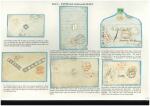
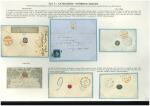
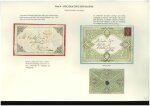
PART 1 – Replacing the Wax Seal
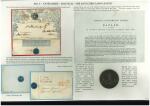
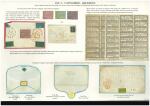
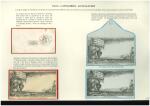
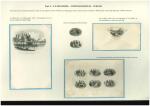
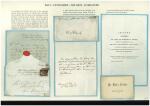
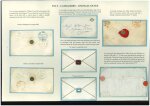
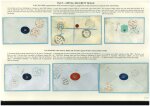
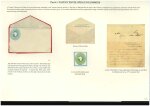
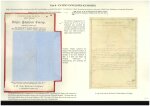
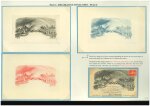
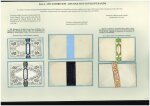
The traditional method of sealing folded letters with wax was often cumbersome and impractical for everyday use, prompting the search for more convenient alternatives. This section traces the development of wafer seals, which came into widespread use from the mid-1830s to the 1860s. Earlier cameo impression seals are also represented, though their fragility limited their adoption.
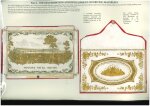
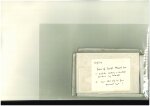
Highlights include: fine examples of wax seals, wafer seal proofs, Italian and German wafer connections, an attractive sample page, original packaging, and wafer seals offered for sale.
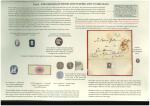
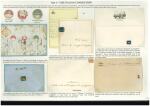
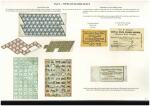
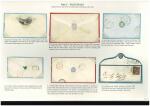
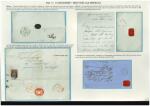
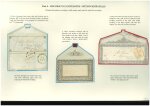
PART 2 – Types of Wafer Seals and Alternative Methods
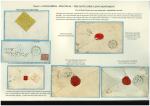
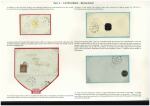
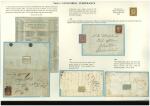
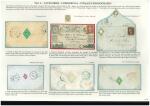
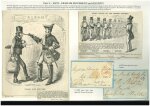
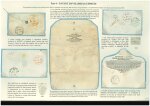
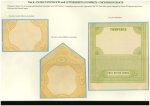
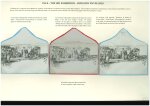
A comprehensive overview of the different forms of wafer seals and their practical applications. Featured types include isinglass, embossed paper, surfaced and plain paper wafers, alongside a range of alternative sealing techniques.
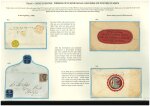
Highlights include: usages on covers bearing Penny Blacks, large multiples of wafer seals, a sample page of embossed seals, a Mulready wafer advertising sheet, and examples of alternative sealing methods.
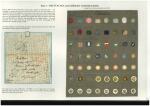
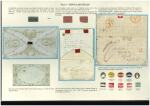
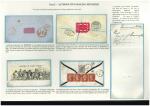
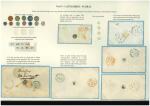
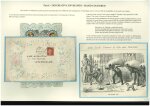
PART 3 – Uses of Wafer Seals & the Emergence of Security Seals
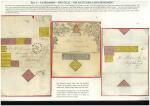
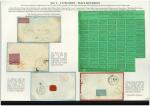
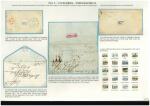
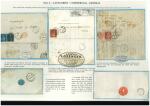
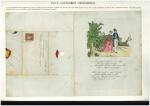
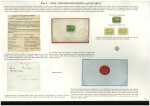
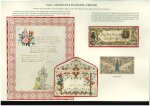
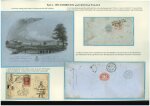
This section showcases the extraordinary thematic diversity of wafer seals, reflecting social, political, and cultural movements of the time. Categories include Anti–Corn Law League, religious, peace movement, anti-slavery, temperance, topographical, commercial, portraits, arts & literature, sentimental, symbolic, military, medical, floral, and more.
Highlights include: an outstanding Anti–Corn Law League wafer used on a Two Pence Mulready.
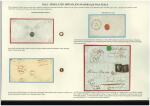
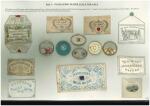
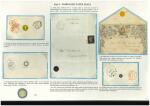
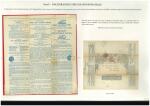
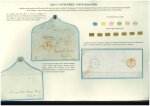
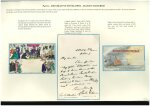
PART 4 – Development of Patent & Decorative Envelopes, the 1851 Exhibition & Conclusions
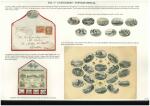
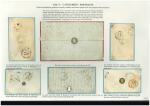
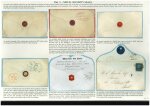
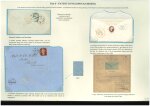
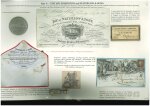
Following the introduction of the Mulready envelopes and letter sheets in May 1840, innovation flourished, with individuals and companies developing patented envelopes for improved convenience and security.
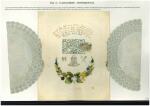
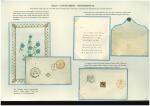
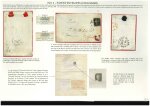
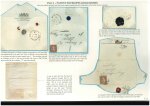
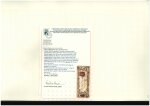
Highlights include: one of only three recorded examples of a Penny Black used as a seal, an embossed essay for stamped paper by Charles Whiting, and an exceptional range of decorative Valentine envelopes, many with original enclosures.
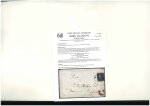
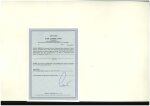
Many of the key items are accompanied by certificates of authenticity.
A truly outstanding collection of great depth and importance—offered here as a rare, once-in-a-lifetime opportunity for the discerning collector.
Additional scans and images are being uploaded on a continuous basis, and the complete set of illustrations for all lots will be available by 1 June 2026.
Should you require further images after this date and are unable to find the material you need online, please do not hesitate to contact us.
For further information regarding this lot, please contact us.