


Our British Empire catalogue features an attractive selection of postal history from the Niger Coast Protectorate and some cancellations from the Royal Niger Company Territories. The following article gives a brief overview of the postal services from their establishment in the region through to the amalgamation of the Protectorate and the southern part of the Territories to form Southern Nigeria in 1900.
The Oil Rivers Protectorate and Niger Coast Protectorate
Although today Nigeria is West Africa’s largest producer of petroleum, in the 19th Century traders were in the region exporting palm oil. In 1884, after the Berlin Conference, Britain announced the formation of the Oil Rivers Protectorate, which included the Niger Delta and extended eastward to Calabar. The administration was by Consuls up to 1891 when a High Commissioner and Consul General at Calabar was supported by Vice-Consuls at the main district stations of Benin, Bonny, Brass, Forcados, Sapele, and Warri, which acted as distribution centres for mail from November 1891 and were recognised as post offices from 20th July 1892.
British stamps (the 1881 1d lilac and some 1887 Jubilee issues), stationery cards and registered envelopes were overprinted for “BRITISH PROTECTORATE OIL RIVERS” by De La Rue and issued on 20th July 1892. Although unoverprinted stamps were still sometimes used and are very rare. Figure 1 shows the complete set of overprinted stamps on an overprinted registered envelope.
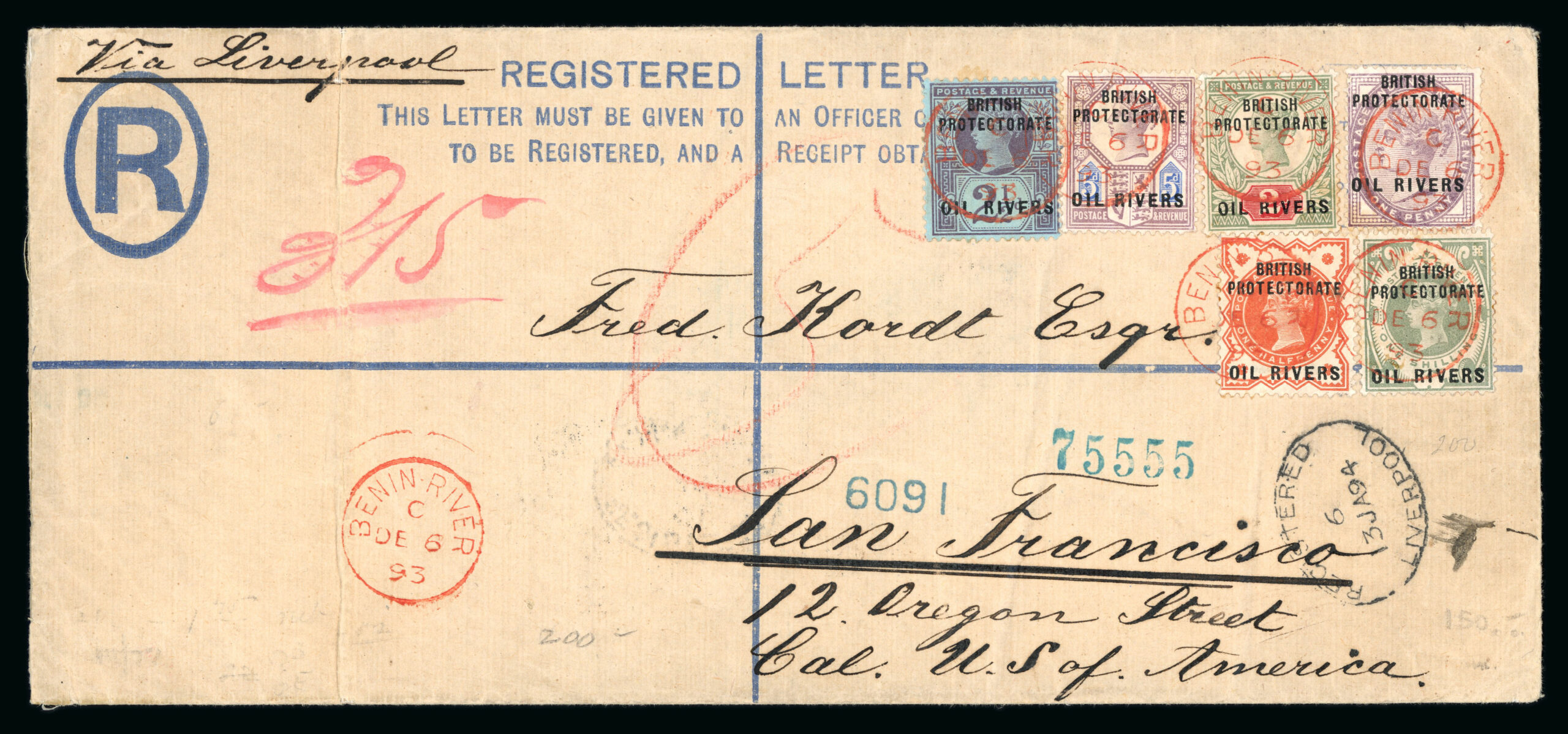
Fig. 1: Lot 61167, 1893 (Dec 6) registered envelope with 1892-94 1/2d to 1s set of six tied by scarce orange-red Benin River code C cds.
Various circular datestamps, squared circle datestamps, oval registered datestamps and rubber circular cancels were supplied to offices including Bakana, Benin River (fig. 1 and fig. 4), Bonny River, Brass River, Forcados River, Old Calabar River, Opobo River, Sombreiro River and Warri (see fig. 2). Large oval datestamps were also provided for Bakana, Benin, Bonny, Brass, Buguma, Old Calabar, Opobo, Sapele and Sombreiro River, struck in violet or black. Examples of these oval cancels on loose stamps or piece are rare, especially on unoverprinted GB stamps. The Vice-Consulate handstamps from Bonny, Foracdos and Old Calabar are also known cancelling unoverprinted (only from Old Calabar) and overprinted issues. I’ve highlighted some of the offices on the map above which you can see an enlarged version of here.
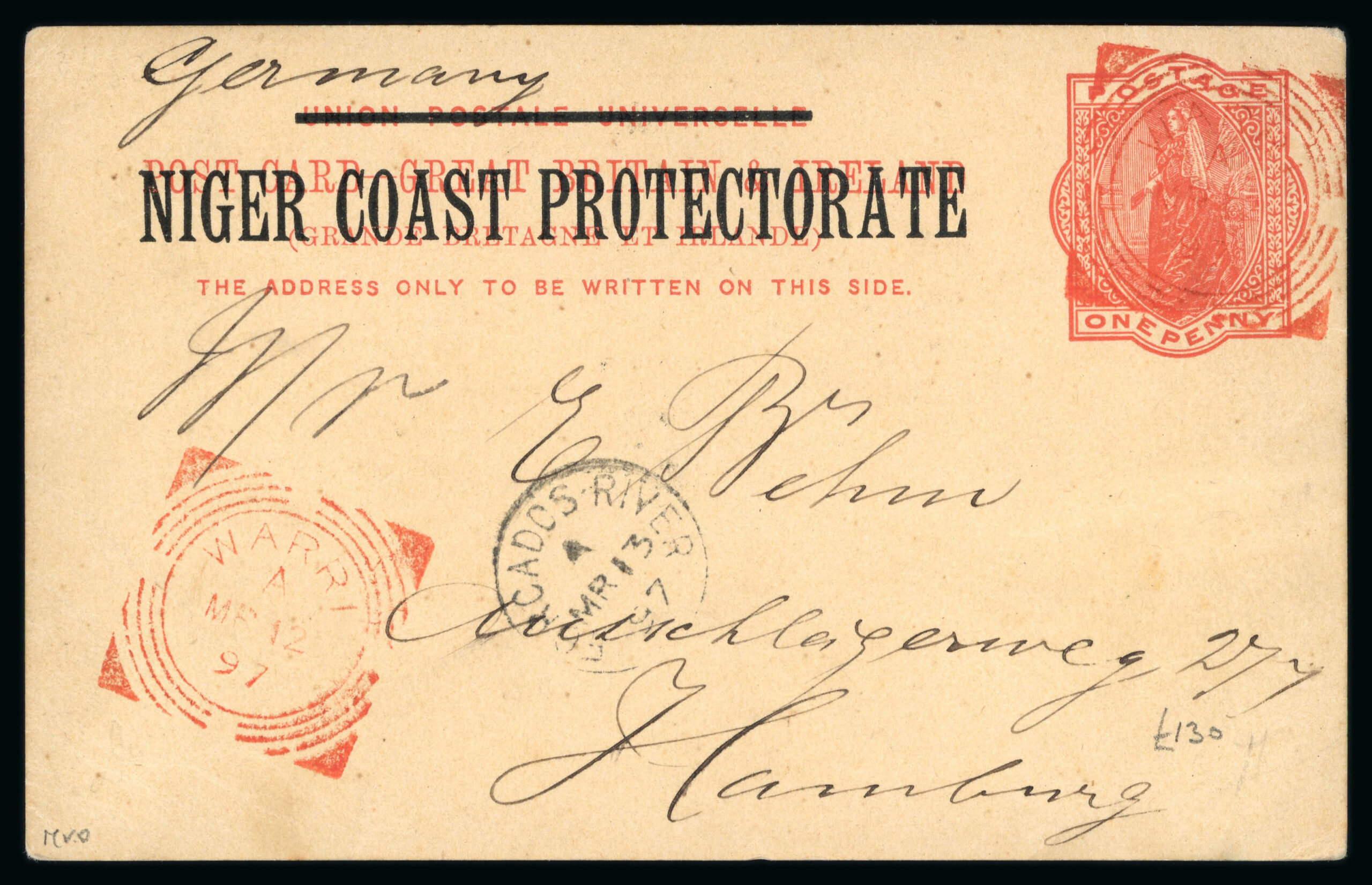
Fig. 2: Lot 61184, 1897 (Mar 12) 1d postal stationery card sent to Germany, cancelled by vivid red Warri squared circle ds with further strike at lower left, Forcados River transit.
In 1893 the name was changed to the Niger Coast Protectorate when it expanded to include Lagos Colony and Protectorate including the hinterland, and northward up the Niger River as far as Lokoja. Waterlow had been tasked with producing new issues for the Protectorate, but had to correct the design they had already made by scoring out “OIL RIVERS” and placing “NIGER COAST” at the top of the stamp. They were issued on 1st Jan 1894 and were already replaced with a corrected design in May on unwatermarked paper.
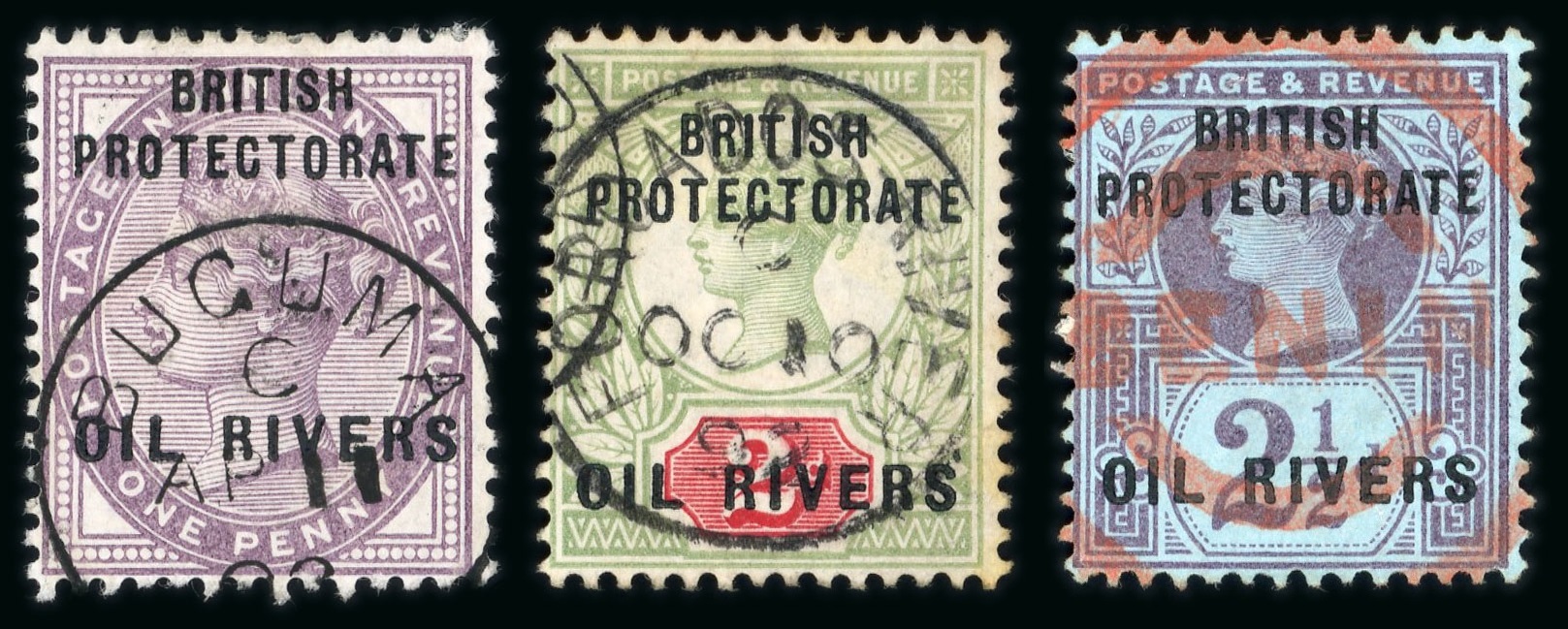
Fig. 3: Examples of cancels from lot 61192, with cds from Buguma and Forcados River and a rubber Benin in red.
In 1897, the stamps were printed on watermark Crown CA paper and further values were added, up to 10s. There are a number of small variations in the perforation of these Waterlow issues which are due to the irregularities of the pins.

Fig. 4: Lot 61168: 1898 (Aug 2) Printed telegram envelope sent registered to the African Direct Telegraph Co. in Lagos with five 1897-98 1/2d green and a 1d pair, paying the 2 1/2d rate to Lagos plus 2d registration fee, tied by Benin River code A cds with Lagos arrival backstamp.
With submarine cable heads only at Lagos, Brass and Bonny, the quickest way of getting a cable to a mail steamer was to post the cable message in a cover to “The African Direct Telegraph Office” at the next cable head, at “Brass of Lagos”, one or the other being deleted in the address before despatch according to whether the vessel was on its outward or return voyage.
The Royal Niger Company Territories
By the 1880s, the United African Company, an amalgamation of British companies trading along the Niger River, had become the dominant commercial power, competing against the rival French and German interests. The company created treaties which local rulers had to sign, and it considered itself the legitimate government of the area. In 1886 it became the Royal Niger Company Chartered & Limited after buying out rival interests on the lower part of the river and was granted broad concessionary powers in “all the territory of the basin of the Niger.”
Territory adjacent to the Niger and its tributary the Benue was placed under British protection and administered by the Company which was entrusted with the control and development of the northern hinterland. The Company also claimed about 21 miles of the delta between Forcados and Brass rivers to provide access up the Niger, thus cutting into what was nominally the Niger Coast Protectorate.
Post Offices were opened at Akassa late in 1887, Burutu in 1896, Lokoja in 1899 and Abutshi in 1899. The Company had arranged that unstamped mail marked with their handstamp would be delivered to Great Britain with recipients charged the normal rate. However this proved difficult to administer and current issue Great Britain stamps were used from 1888.
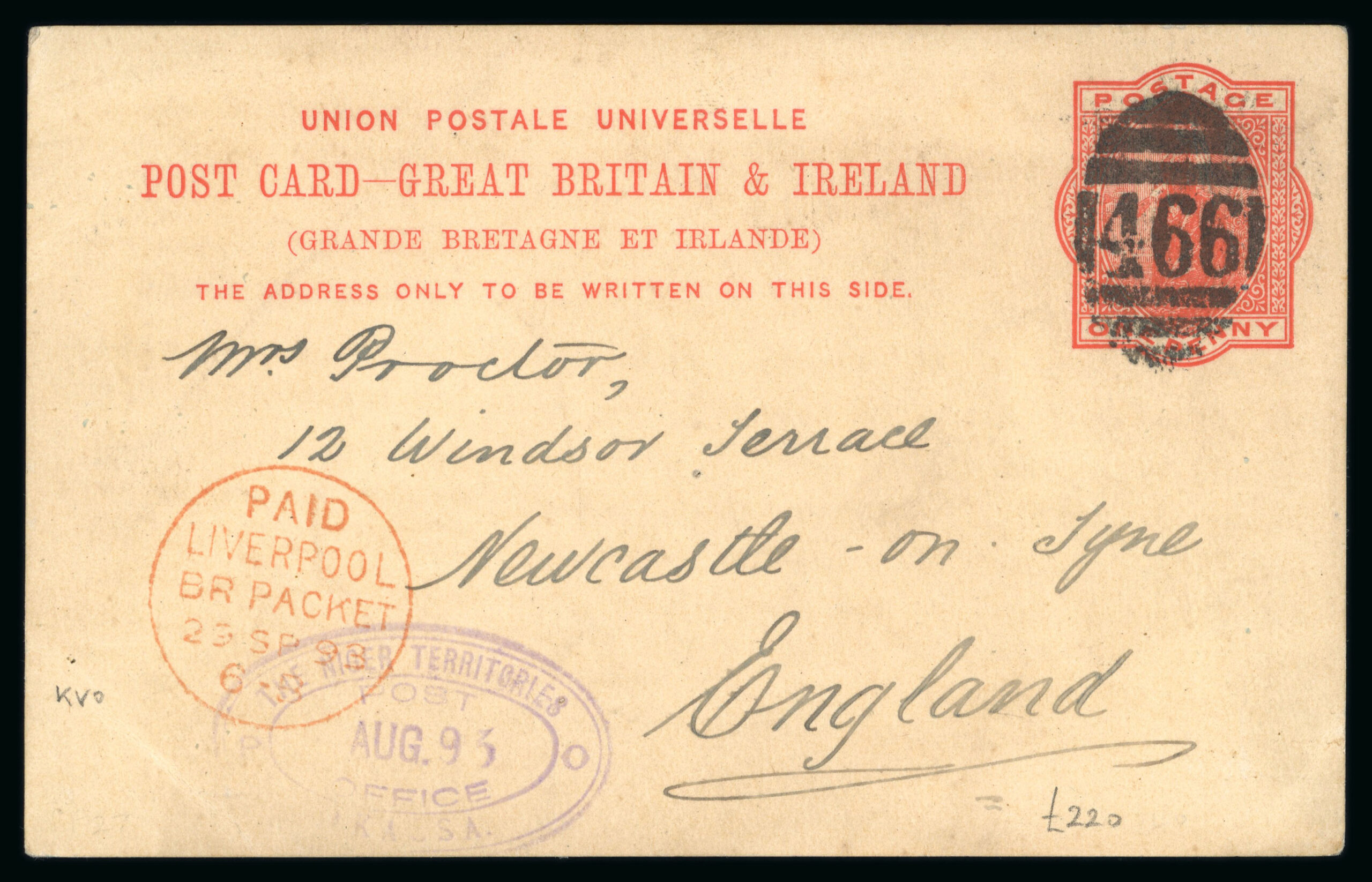
Fig. 5: Lot 61165, 1893 (Aug 8) GB 1d postal stationery card datelined “Onitsha”, written by a missionary with the Church Mission Society, with violet oval “THE NIGER TERRITORIES / POST AUG 93 / OFFICE / AKASSA” ds (S.G. type 1) at lower left, cancelled on arrival in England with “466” barred oval of Liverpool with “PAID” cds, fine and scarce.
Each post office had a different style rubber handstamp for applying to the covers, with some being applied to the stamps. All were struck in violet except Burutu where occasionally black ink was used and, rarely, blue.
Akassa had three different types of oval datestamps (fig. 5), a double framed boxed cancel and a boxed datestamp with chamfered corners. Burutu had two double framed boxed datestamps with serif or sans-serif lettering for “BURUTU” as well as a much more scarce and smaller chamfered corner datestamp (see fig. 7). Lokoja had a double oval datestamp (fig. 6). In Abutshi, no special handstamp was provided and the Customs Office datestamp was used during the very short period up to the transfer of the territory at the end of the year.
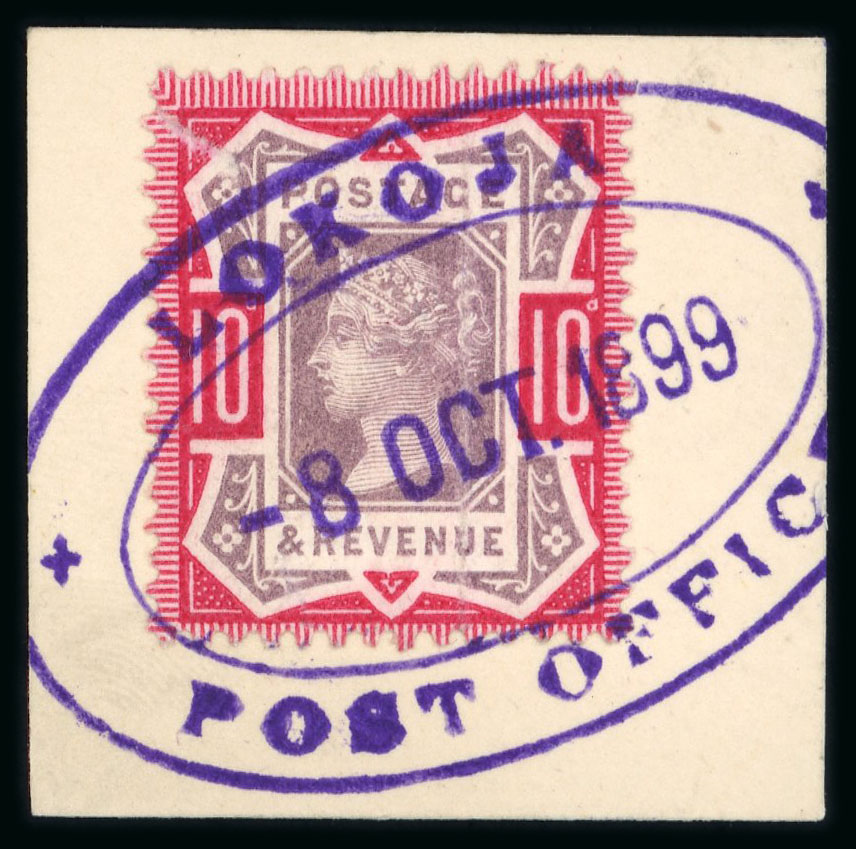
Fig. 6: Example from lot 61191 of the double-oval Lokoja datestamp

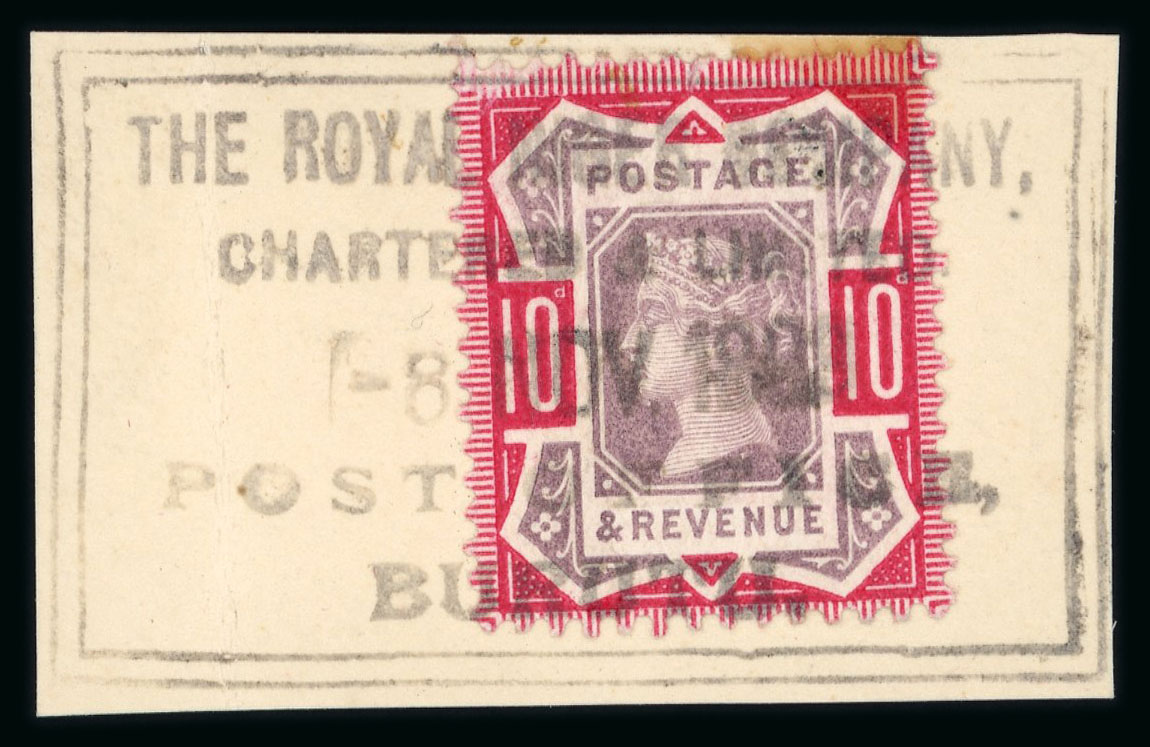
Fig. 7: Two examples of the different Burutu cancels from lot 61190, showing the chamfered-corners (left) and the double-boxed datestamp with serif letters in the scarcer black (right).
Also an oval handstamp reading “AGENT GENERAL / NIGER TERRITORIES” enclosing a one-line date was used in 1894, followed by one with similar wording to the Burutu chamfered-corner datestamp. Examples seen also show the Akassa handstamp of a few days later and it seems possible that these Agent General marks were applied at Asaba, which was the headquaters of the Company.
Postage was reduced from 6d to 2½d per ½oz in 1892, and again to the 1d Empire rate introduced in December 1898.
The Niger Territories were purchased from the Royal Niger Company by the British Government, and with the Niger Coast Protectorate were formed into the new Protectorates of Northern and Southern Nigeria on 1st January, 1900. Although the Niger Coast Protectorate stamps continued to be used in Southern Nigeria after the transition. Figure 8 shows the 1897 issue used in Asaba.
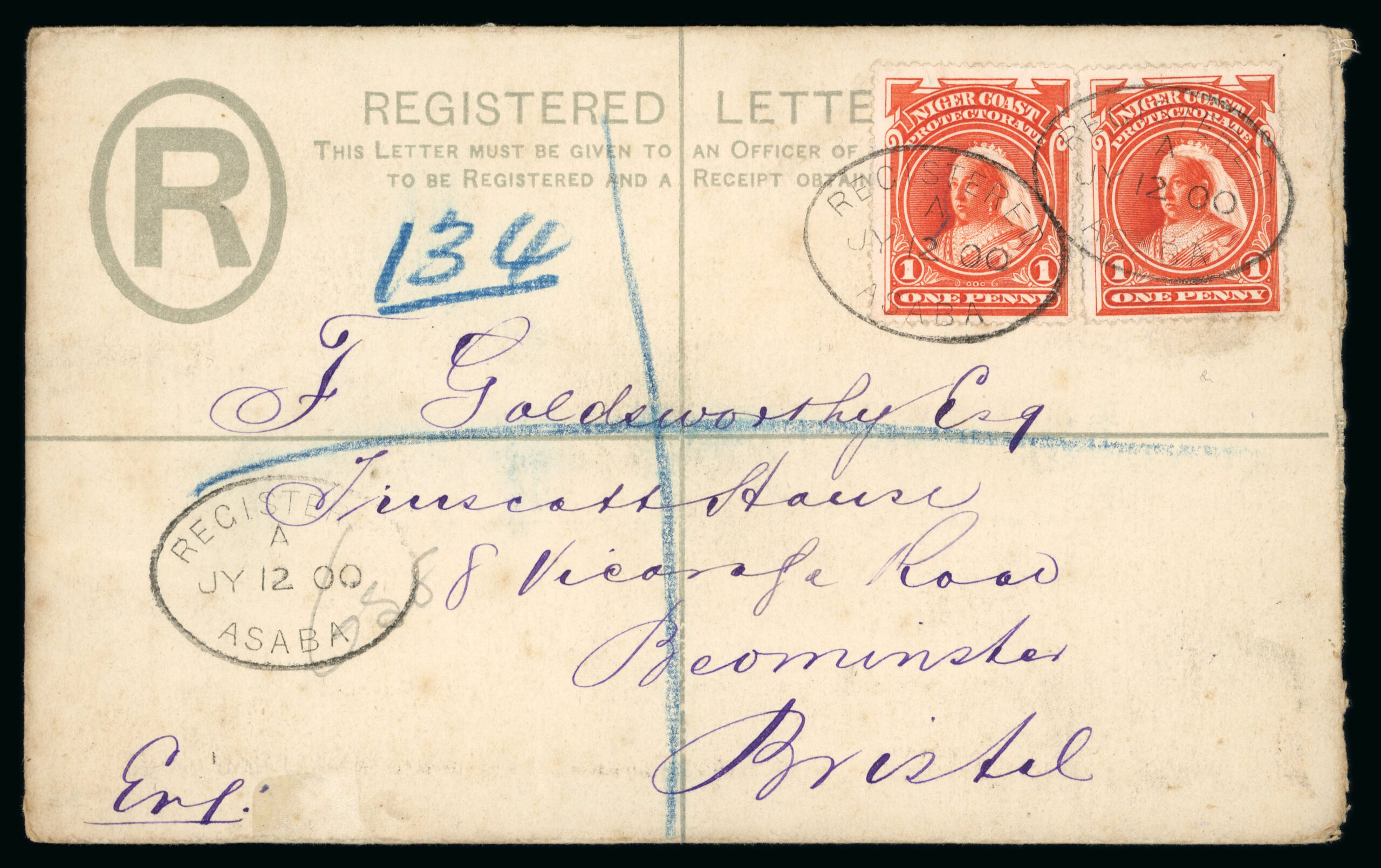
Fig. 8: Lot 61185, 1900 (Jul 12) Niger Coast 2d registered envelope sent to England with two 1897-98 1d vermilions tied by clear strikes of the scarce Southern Nigeria Asaba registered ova ds (Proud R1) with further strike at lower left, Bristol arrival bs. This probably the earliest recorded use of this cancel on cover (predates Proud’s record by 4 months).